In-Office vs. Take-Home Teeth Whitening: Which Option Is Right for You?
If you want a brighter smile, one of the first decisions is not simply whether to whiten your teeth, but how you want to do it. Professional whitening can be completed in the dental office or gradually at home using professionally made trays and whitening material. Patients considering teeth whitening in Downtown Austin can benefit from understanding how these two approaches differ before choosing a treatment plan.
Both in-office and take-home professional teeth whitening are designed to lighten discoloration in natural tooth enamel. However, the treatment experience, whitening schedule, concentration of the whitening material, and amount of direct professional supervision can vary. One approach may be more convenient for someone preparing for an upcoming event, while another may appeal to a patient who prefers to whiten gradually on a flexible schedule.
Why Do Teeth Become Discolored?
Teeth can darken or become stained for many reasons. Coffee, tea, red wine, dark sauces, tobacco, and other strongly pigmented substances can gradually affect tooth color. In addition, natural aging can change the appearance of enamel and make the warmer color beneath it more visible.
Some discoloration develops deeper within the tooth rather than on the surface. Previous dental trauma, certain medications, developmental changes, and other factors can influence internal tooth color. Because different stains respond differently to whitening, an evaluation before treatment can help determine whether bleaching is likely to provide the improvement you want.
Professional cleaning may also be recommended before whitening when plaque, tartar, or significant external staining is present. Removing surface buildup allows the dentist to evaluate your natural tooth color more accurately and can help create a more consistent starting point.
What Is In-Office Teeth Whitening?
In-office teeth whitening is performed at the dental practice under professional supervision. The appointment begins by protecting the lips, cheeks, gums, and other soft tissues. Whitening material is then applied to the visible tooth surfaces according to the selected system.
The material may remain on the teeth for a specific period before being removed or refreshed. Depending on the whitening system and your individual response, multiple applications may be completed during the same visit.
One of the main reasons patients choose in-office whitening is speed. Because treatment occurs under controlled professional supervision, more concentrated whitening materials may be used than those commonly found in over-the-counter products. Consequently, noticeable shade changes may be achieved in a relatively short appointment.
What Is Professional Take-Home Teeth Whitening?
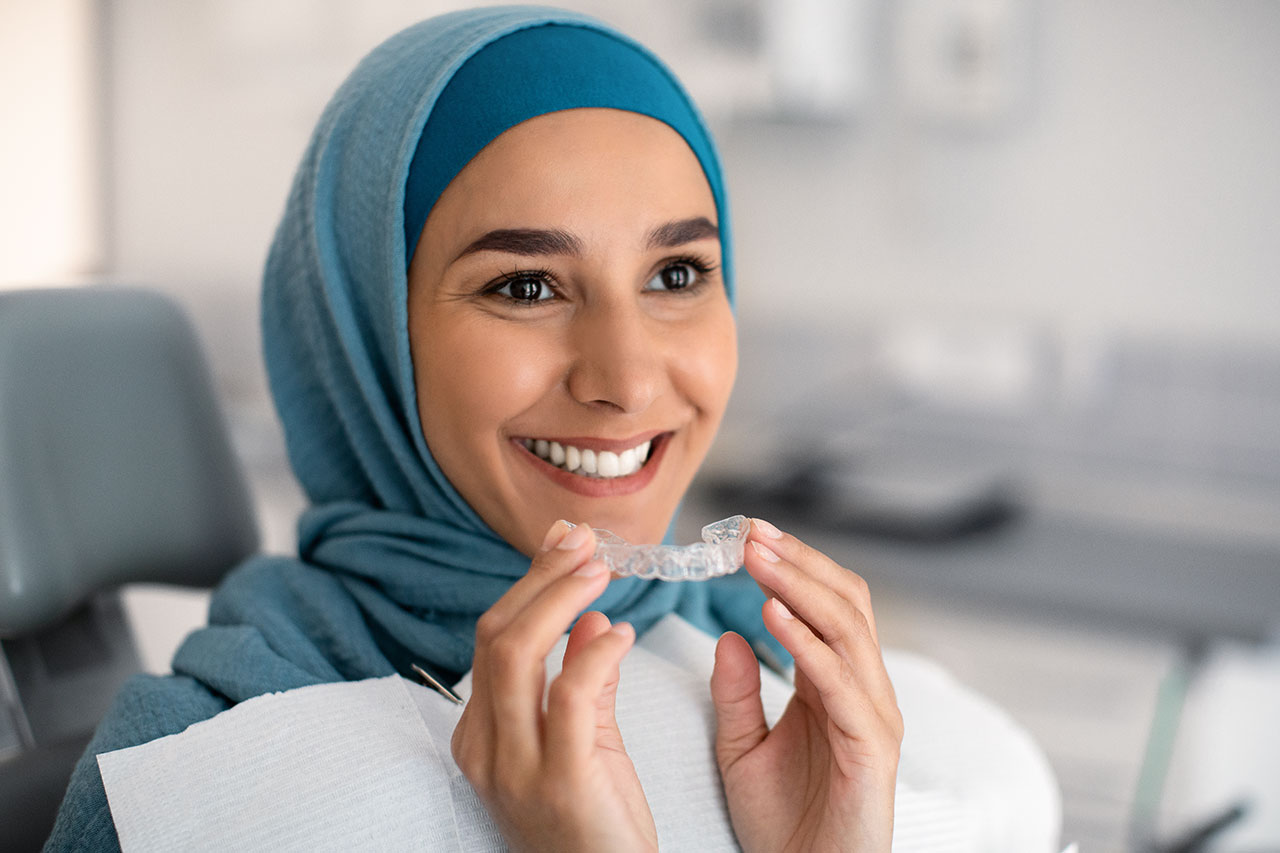
Professional take-home whitening allows you to brighten your smile gradually outside the dental office. Unlike generic trays purchased at a store, professional whitening trays can be customized to fit the shape of your teeth.
The dentist provides whitening material along with instructions explaining how much gel to place in the trays and how long to wear them. Depending on the product and treatment plan, the trays may be worn for a specific period each day over several days or weeks.
Because take-home whitening is more gradual, patients can often adjust the schedule when temporary sensitivity develops. However, following the recommended instructions is important. Using more gel, extending wear time without guidance, or whitening continuously does not necessarily produce a better result and may increase irritation.
Which Teeth Whitening Option Works Faster?
In-office whitening generally offers the fastest route to a visible color change because the entire whitening session is completed professionally in one visit or a small number of visits. This can be appealing when you have a wedding, professional event, family celebration, vacation, or another occasion approaching.
Take-home whitening works more gradually. Instead of completing the process during one office appointment, you whiten your teeth according to a scheduled routine at home. Maximum results may therefore take longer to develop.
However, faster is not automatically better for every patient. Some people prefer gradual whitening because they have more control over the pace. Others appreciate completing the primary treatment in a single appointment. Your timeline is one factor your dentist can consider when recommending a method.
Which Option Is Better for Sensitive Teeth?
Either approach may be modified for a patient with sensitivity, depending on the cause and severity. Before whitening begins, the dentist can evaluate whether sensitivity may be related to gum recession, exposed root surfaces, cavities, cracked teeth, worn enamel, or another dental concern.
Take-home whitening may appeal to patients who want the ability to space treatments farther apart. If temporary sensitivity occurs, the schedule can sometimes be adjusted. Meanwhile, in-office treatment allows the dental team to protect gum tissue carefully and control application directly throughout the procedure.
Desensitizing toothpaste or other strategies may also be recommended before or during treatment. Most importantly, persistent pain in a specific tooth should not simply be assumed to be normal whitening sensitivity. A tooth that hurts when biting, throbs, or remains painful deserves an examination.
Benefits of Professional Teeth Whitening
Professional teeth whitening offers more than access to a whitening gel. The process begins with evaluating the health and appearance of your smile so treatment can be planned around your individual needs.
- Customized treatment: Your dentist can recommend an in-office or take-home approach based on your stain pattern, goals, sensitivity, and schedule.
- Professional screening: Cavities, cracks, gum recession, and other concerns can be identified before whitening begins.
- Controlled application: Professional whitening provides guidance about where the material should be placed and how long it should be used.
- Flexible timing: Patients can choose faster in-office treatment or a more gradual take-home approach when appropriate.
- Custom take-home trays: Professionally made trays are designed to fit the individual shape of the teeth.
- Realistic shade planning: Your dentist can explain which types of discoloration are more or less likely to respond.
- Coordination with cosmetic dentistry: Whitening can be planned before veneers, crowns, or bonding when shade matching is part of a larger cosmetic treatment plan.
What About Whitening Toothpaste and Store-Bought Strips?
Whitening toothpastes generally focus on reducing external surface stains. Some contain mild polishing ingredients, while others include different stain-removing components. They may help maintain brightness, but they do not necessarily produce the same type of internal shade change associated with professional bleaching.
Store-bought whitening strips contain bleaching ingredients and can lighten some stains. However, they are designed for broad consumer use rather than being fitted to your individual teeth. A strip may not contact irregular or rotated teeth evenly, and the product cannot account for your dental restorations or sensitivity history.
The main advantage of professional whitening is personalization. Rather than trying products one after another, you can first determine whether your discoloration is likely to respond to whitening and which method fits your circumstances.
Can Dental Crowns, Veneers, or Bonding Be Whitened?
No whitening method lightens dental restorations in the same way it lightens natural tooth enamel. Porcelain crowns, veneers, and composite bonding retain their existing shade during bleaching.
This is especially important when restorations appear on front teeth. If you whiten the surrounding natural enamel significantly, an older crown or filling may appear darker by comparison.
Therefore, patients planning multiple cosmetic procedures may be advised to complete whitening first. After the natural tooth color stabilizes, new restorations can be matched to the selected shade. This sequence can help create a more coordinated appearance.
How White Can Your Teeth Become?
Whitening results are influenced by your natural starting shade and the type of discoloration present. Some yellow or food-related staining may respond more noticeably than certain gray, developmental, or trauma-related color changes.
It is also important to remember that natural teeth are not usually one flat shade from gumline to edge. A healthy smile can include subtle variations in brightness and translucency. Therefore, the goal does not always have to be the lightest shade possible.
Many patients prefer a brighter result that still looks natural with their skin tone, facial features, and neighboring teeth. Your dentist can help set expectations before treatment starts.
How Long Do Professional Whitening Results Last?
Teeth naturally collect new stains over time, so whitening is not permanent. The rate at which color changes depends heavily on habits. Frequent coffee, tea, red wine, tobacco, and dark foods may cause noticeable staining sooner.
Good oral hygiene can support the appearance of your teeth. Brush twice daily, clean between the teeth every day, and keep your routine cleaning appointments. Rinsing with water after dark beverages may also reduce the amount of pigment that remains on tooth surfaces.
Some patients eventually complete whitening touch-ups. If you have custom trays, your dentist may provide guidance about when and how to use them again. Continuous unsupervised whitening is generally unnecessary.
In-Office Whitening May Be a Good Fit If You...
- Want a noticeable color change on a shorter timeline
- Prefer having treatment performed and monitored in the dental office
- Are preparing for a special event
- Do not want to remember a daily whitening routine
- Prefer professional protection of the gums and soft tissues during treatment
However, your candidacy still depends on oral health and the type of discoloration present.
Take-Home Whitening May Be a Good Fit If You...
- Prefer a gradual whitening process
- Want to complete treatment according to a home schedule
- Would like professionally fitted whitening trays
- Want more flexibility to space sessions when sensitivity develops
- Prefer a whitening option that can potentially be used for future dentist-directed touch-ups
The choice does not have to be based on convenience alone. Your dentist can compare both options after evaluating your smile.
Frequently Asked Questions About Professional Teeth Whitening
Is in-office whitening stronger than take-home whitening?
In-office systems can use different concentrations and application protocols because treatment is directly supervised. Take-home products are designed for repeated use according to professional instructions. The best approach depends on your oral health and treatment goals.
Can I combine in-office and take-home whitening?
In some treatment plans, professional take-home trays may be used to maintain or refine results after an in-office session. Your dentist can determine whether combining methods makes sense for you.
How long should I avoid coffee after whitening?
Your dental team may recommend limiting strongly pigmented foods and beverages for a period after treatment. Follow the specific instructions provided with your whitening system.
Does professional teeth whitening damage enamel?
When used appropriately and according to professional instructions, whitening is designed to change tooth color without removing enamel. Temporary sensitivity can occur, so treatment should be adjusted when necessary.
Should I get my teeth cleaned before whitening?
A professional cleaning may be recommended when plaque, tartar, or external staining is present. Cleaning first can help reveal your starting shade and provide a cleaner surface for treatment.
Choose a Whitening Plan That Fits Your Smile and Schedule
Both in-office and take-home professional whitening can be useful options. The better choice depends on how quickly you want to see a change, how sensitive your teeth are, how much flexibility you want, and whether other cosmetic dental treatment is being planned.
Schedule a Consultation with Primavera Dental Group at 815 Brazos St Ste. 101 in Downtown Austin. Call (512) 640-8175 to compare professional teeth whitening options and create a plan tailored to your smile.
Related Posts
In-Office vs. Take-Home Teeth Whitening: Which Option Is Right for You?

Veneers vs. Dental Crowns for Front Teeth: How to Compare Your Options in Downtown Austin